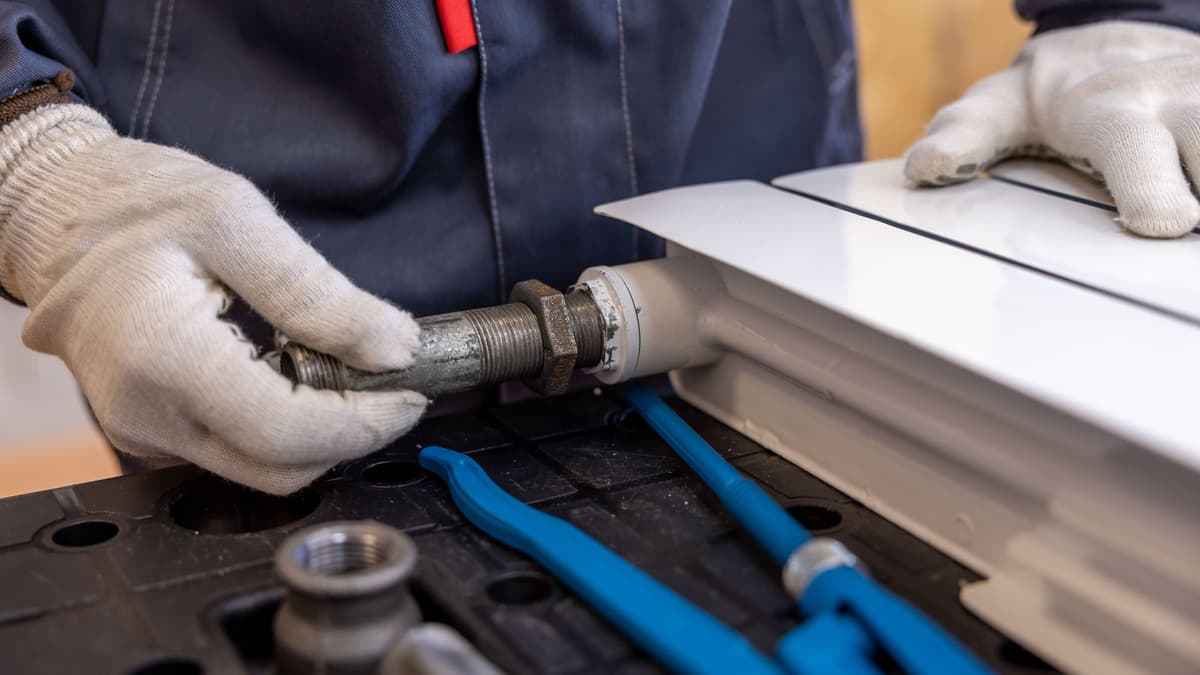
Plumbing services for Phoenix Valley homes
Everything here is something we do every week across the Valley. Each section covers the signs to watch for, what we actually do on the visit and what's worth knowing before you call.
How we price
Flat-rate, upfront. The plumber diagnoses the problem, then gives you a written price for the whole job before starting. If there's more than one reasonable fix, you'll see the options side by side. We'll tell you the diagnostic fee when you call, and the quote doesn't change for nights, weekends or holidays. Financing is available on approved credit for larger jobs like repipes and water heater replacements.
Water heaters & tankless
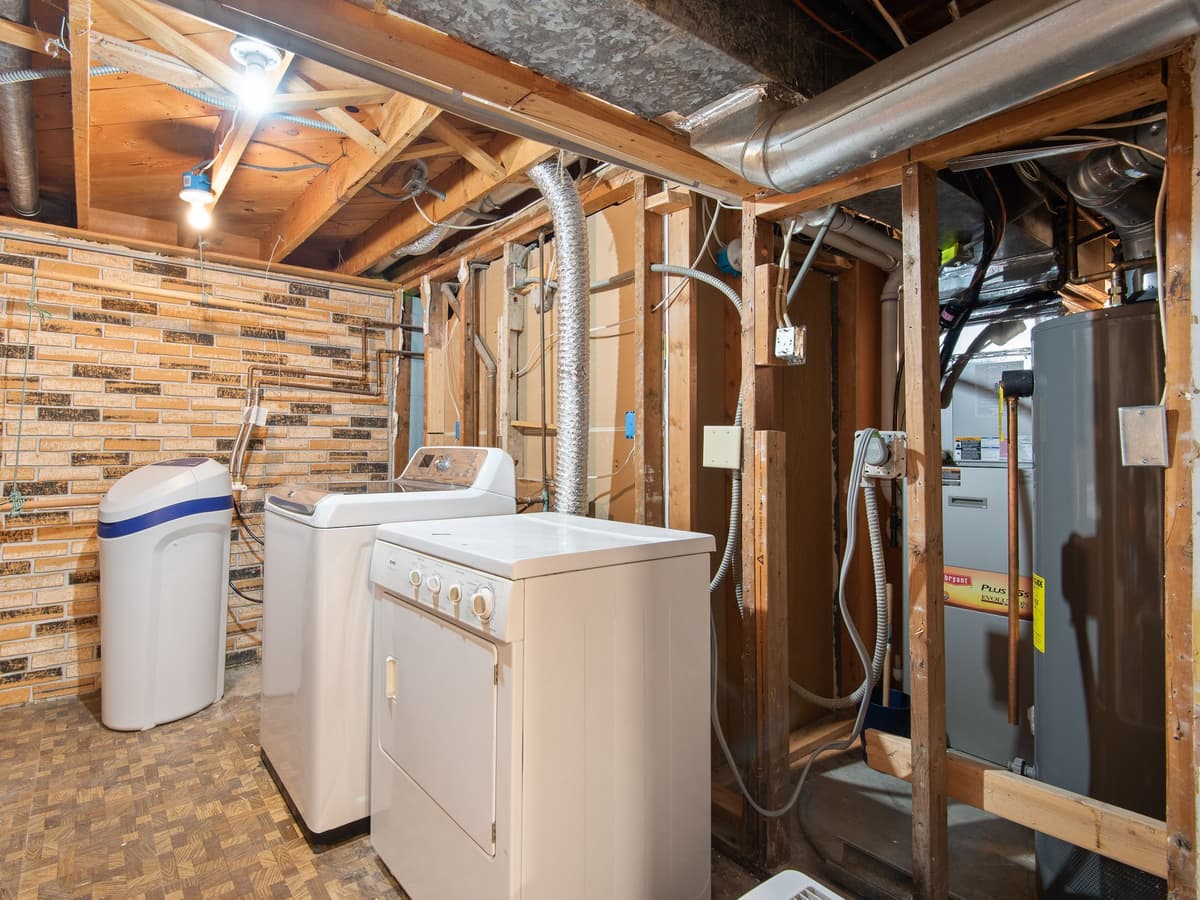
A Phoenix water heater has a hard life: scale from hard water on the inside, and in a lot of homes an attic or garage that bakes all summer on the outside. We repair, replace and maintain gas and electric tanks, tankless units and heat pump water heaters.
Signs it's time to call
- Rumbling or popping when the burner runs (sediment and scale on the bottom of the tank)
- Rusty or sandy-looking hot water
- Water in the drain pan, or a drip from the temperature-and-pressure (T&P) relief line
- Hot water runs out faster than it used to
- Tankless unit flashing an error code or cutting to cold mid-shower
What we do
- Repair: thermostats, elements, gas valves, igniters, thermocouples, anode rods, T&P valves.
- Replace: same-day replacement on most standard 40- and 50-gallon tanks. We haul the old one away.
- Attic installs: new drain pan and drain line, proper venting and a shutoff you can actually reach. If you'd rather move the heater out of the attic, we'll quote that too.
- Tankless: install, descaling flush, inlet filter cleaning, and an honest look at whether your gas line and venting can support one.
- Code items: expansion tank, drain pan where required, sediment trap on gas units, proper T&P discharge, combustion air and venting checks.
Good to know
Tank or tankless? Tankless saves space and never runs out, but in the Valley it needs a descaling flush on a schedule and often a softener or scale filter to last. A quality tank with a regular flush is still the right call for a lot of homes. We'll show you both and let you pick.
Slab leak detection & repair
Most Valley homes built from the 1960s to the 1990s run their water lines in copper under the concrete slab. Expansive clay soil, hard water and age wear those lines thin until one starts leaking underneath your floor.
Signs of a slab leak
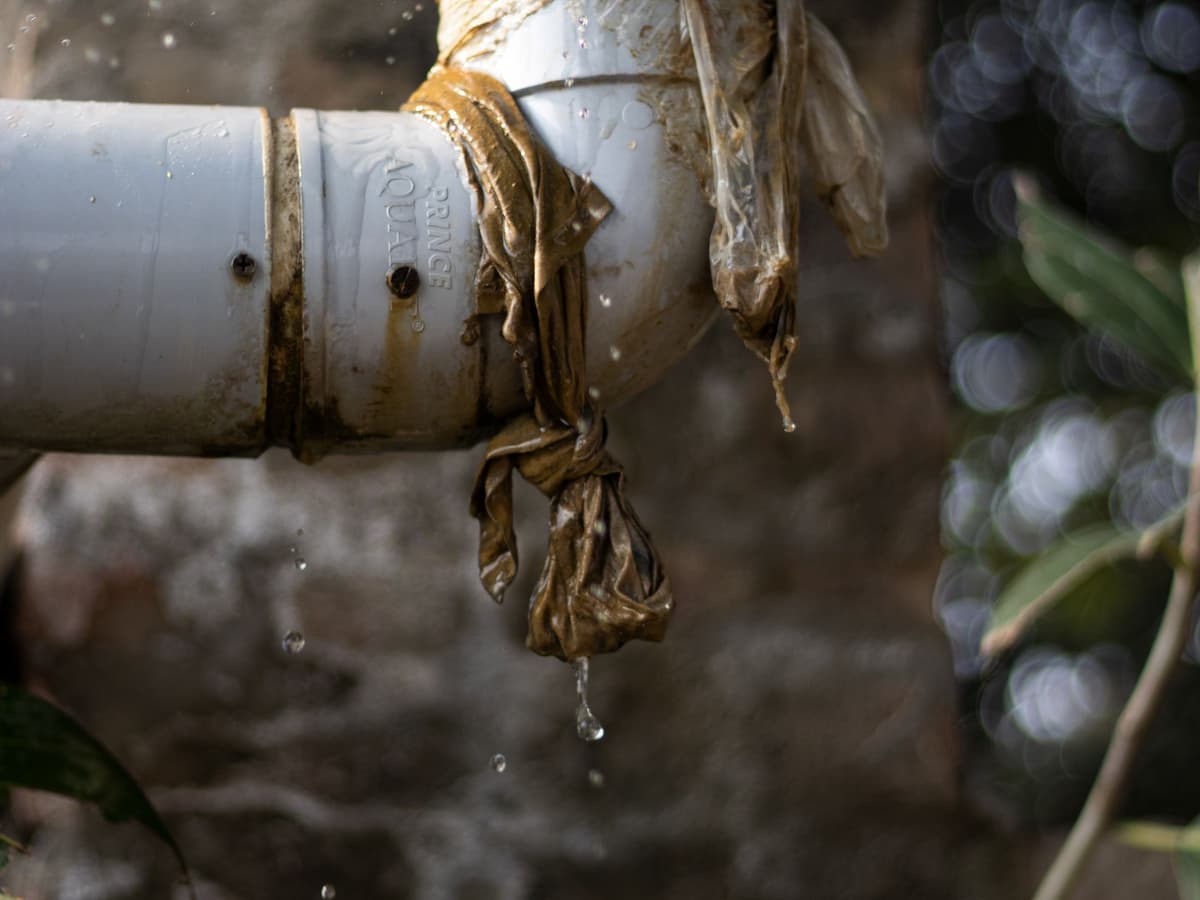
- A warm or hot spot on the tile or carpet, often in a hallway or near the kitchen
- The water meter keeps turning with every fixture off
- A water bill that jumps for no reason
- The sound of running water when nothing is on
- Damp carpet tack strip, swollen baseboards, new cracks in tile
How we find it
We confirm the leak at the meter, isolate hot from cold, then pinpoint it with acoustic listening gear and thermal imaging. We mark the spot and show you what we found before anyone breaks concrete.
Your repair options
- Spot repair: open the slab at the leak, repair the line, close and patch. Fastest, but the rest of the old line stays.
- Reroute: abandon the leaking line and run new PEX through the attic or walls. No jackhammer in the house, and a common choice in the Valley.
- Repipe: if this is the second or third slab leak, replacing the whole system is often cheaper over time. See repiping below.
Insurance
Many homeowner policies cover some of the cost of finding and accessing a slab leak, even when they don't cover the pipe itself. We document everything with photos and written findings so you have what your adjuster asks for. Check your own policy for what's covered.
Whole-home repiping (PEX)
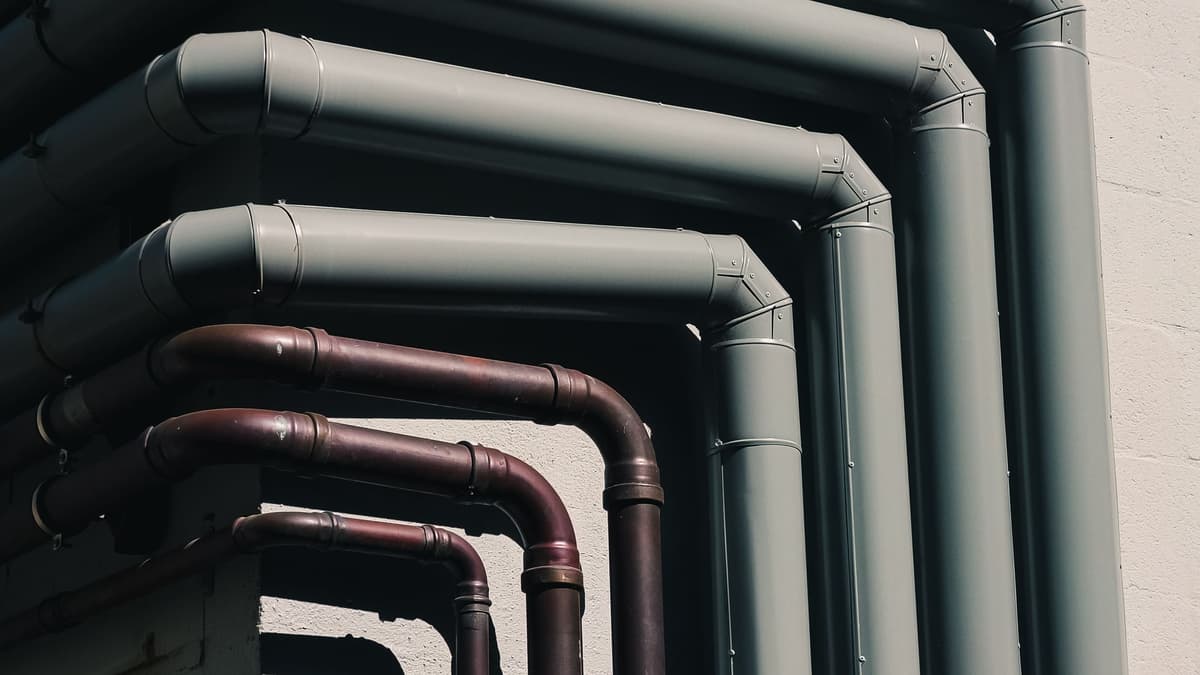
When pinhole leaks keep showing up, or your home has a pipe material known for failing, a repipe stops the cycle.
When repiping makes sense
- A second or third slab leak
- Repeat pinhole leaks in copper (common with Valley water chemistry)
- Polybutylene (gray plastic) lines, found in many Valley homes built in the 1980s and early 1990s
- Galvanized steel in older central Phoenix and Tempe homes, with low pressure and rusty water
- Kitec-style aluminum composite pipe with orange or blue fittings in some homes from the late 1990s to mid-2000s
How a repipe goes
- We walk the house, check fixture counts and access, and give you a written flat-rate price.
- Most single-family homes take a few working days. You'll have water back at the end of each day in most cases.
- New PEX-A lines run through the attic and walls, insulated against summer attic heat, with new shutoffs at each fixture.
- We pressure-test, flush, and walk the job with you.
- Drywall patching is included or coordinated, and we'll explain which before you sign.
Why PEX in the Valley
It handles our water chemistry better than copper, flexes instead of cracking when the ground or house shifts, and needs far fewer fittings. Copper is still an option if you want it, and we'll price both.
Water softeners, conditioners & RO
Valley water is hard almost everywhere, and much of it tastes like it. You've seen the white crust on faucets, the spotty dishes and the shower glass that never looks clean.
What we install and service
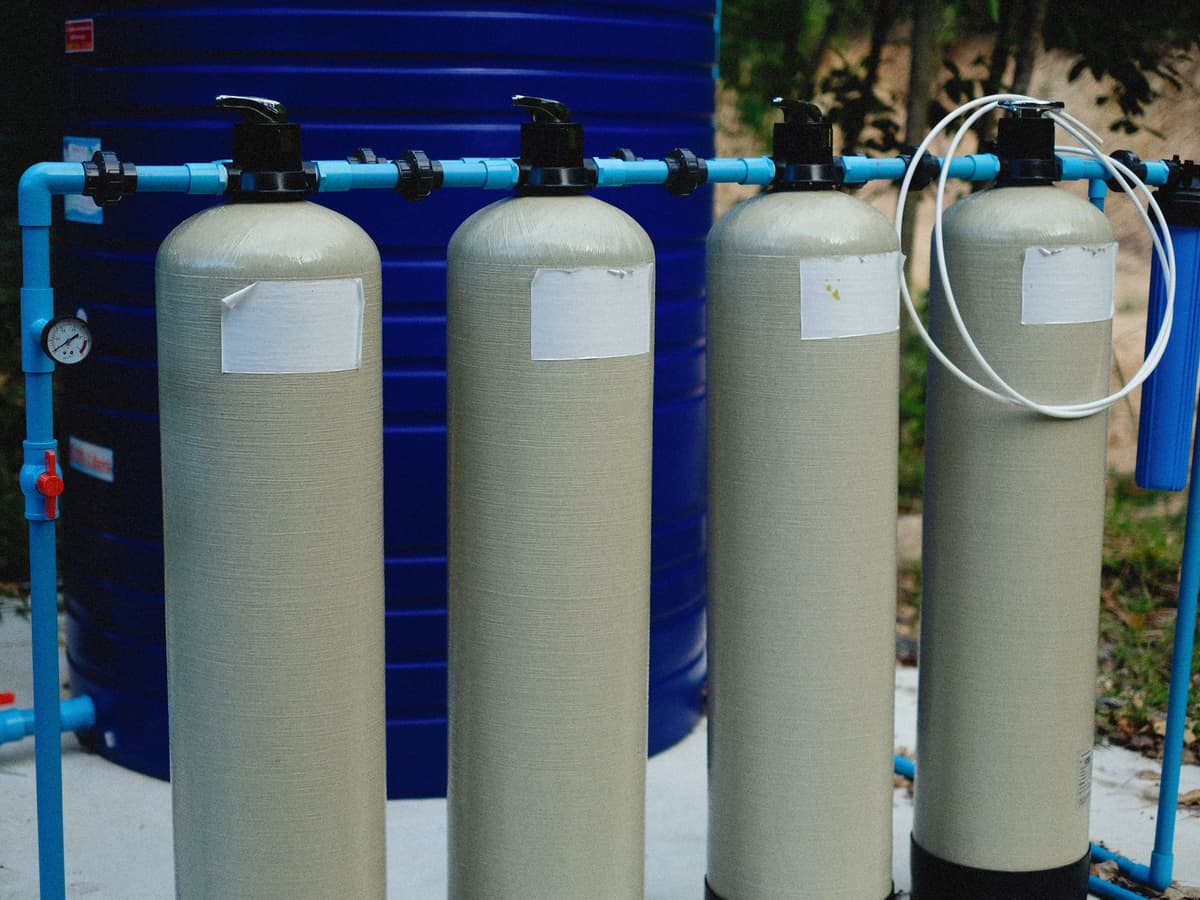
- Water softeners: salt-based ion exchange. The real fix for scale in tanks, tankless heaters and fixtures.
- Salt-free conditioners: reduce scale buildup without salt or a drain line. Less effective than a softener, but a fit for some homes and HOAs.
- Reverse osmosis (RO): under-sink drinking water system that takes out most dissolved minerals and improves taste.
- Softener loops: many Valley homes were built with a softener loop in the garage. We'll find it, or add one.
- Repairs: control valves, brine tank problems, bypass valves, resin replacement.
How we recommend
We test your water at the kitchen tap during the visit, look at your water heater and fixtures, and ask how many people live there. Then you'll get an honest recommendation, including "you don't need this" if that's the answer.
Drain cleaning & sewer camera
Signs
- Several drains slow at once, or water comes up in the tub when you flush
- Gurgling toilets
- Sewer smell in the yard or garage
- Sewage at the cleanout or lowest drain
What we do
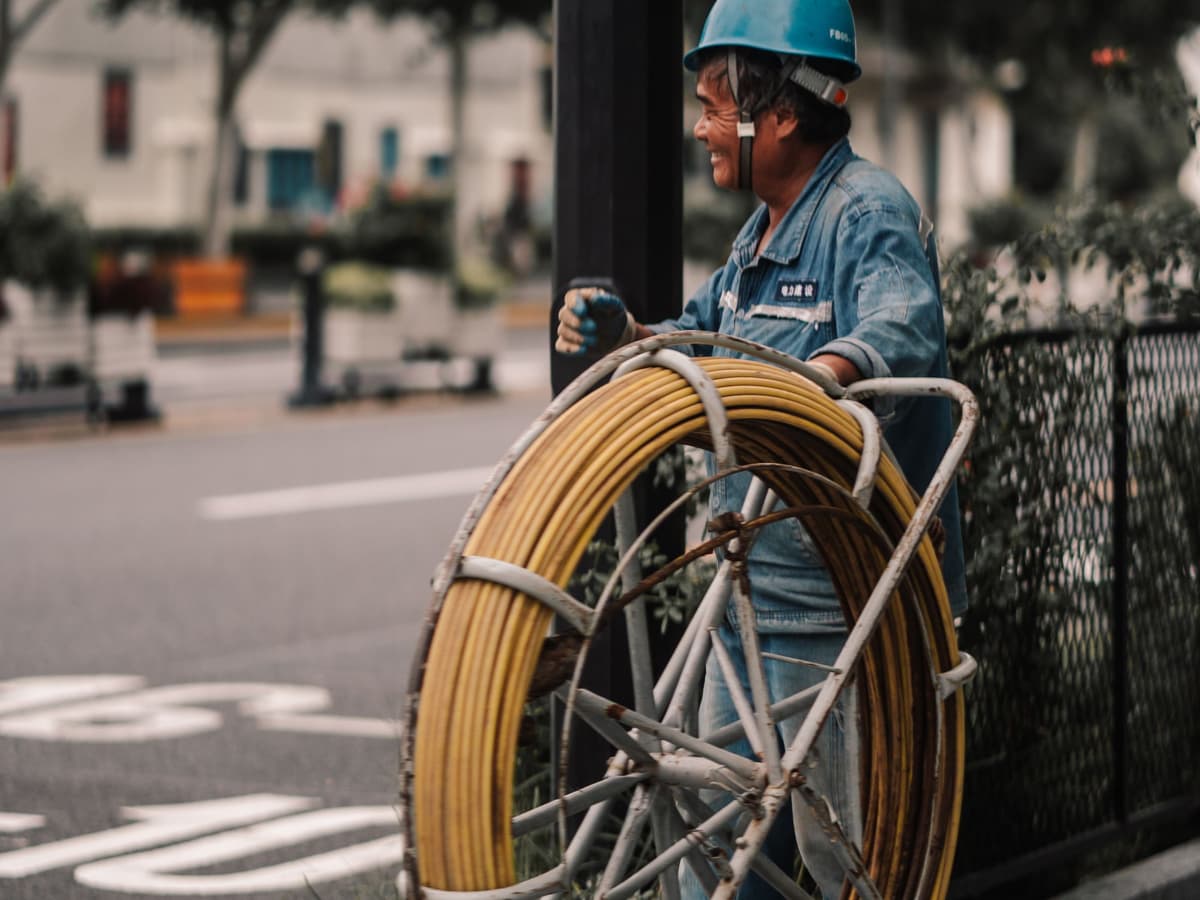
- Drain clearing: kitchen, bath, laundry and main lines, cabled from a cleanout.
- Sewer camera inspection: we run a camera through the line, show you the video and record it, and mark the location and depth of any problem.
- Hydro-jetting: high-pressure water to scour grease, scale and roots when cabling won't hold.
- Sewer line repair: spot repairs and line replacement, including old cast iron and clay. Older central Phoenix and Tempe neighborhoods sometimes still have Orangeburg (tar-paper) pipe.
- Cleanouts: we install an accessible cleanout if your home doesn't have one.
Good to know
Roots from mesquite, ficus, eucalyptus and palo verde trees love sewer joints. If your line has needed clearing more than once a year, a camera inspection is cheaper than guessing.
Leak repair, fixtures & valves
The everyday work that keeps a house running.
- Faucets and cartridges: hard water wears them out fast. We repair or replace, and carry common cartridges.
- Toilets: fill valves, flappers, wax rings, running toilets, and full replacements. We haul off the old one.
- Garbage disposals: repair and replacement.
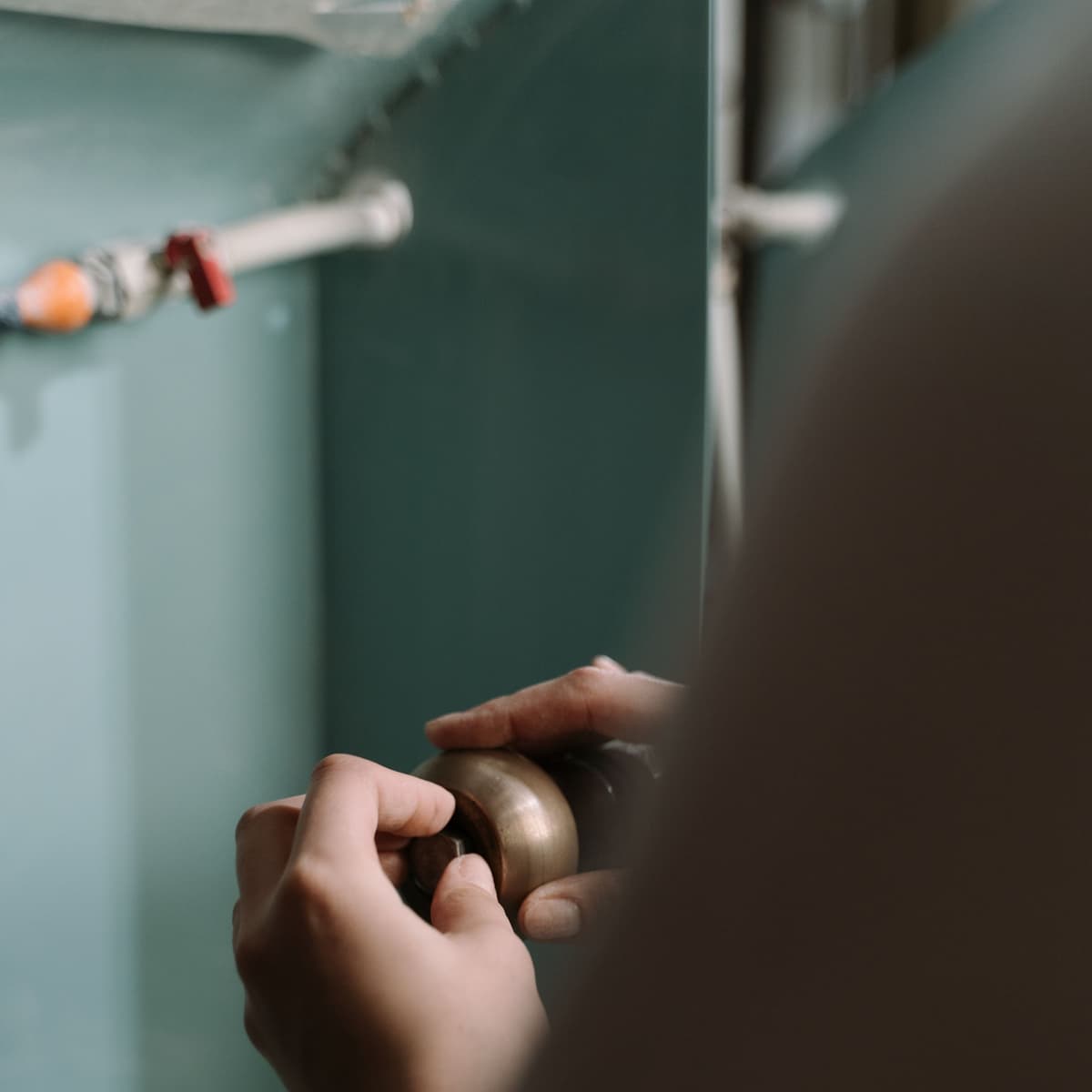
- Shutoff valves: old multi-turn valves under sinks and toilets seize up. We swap them for quarter-turn valves.
- Main shutoff and pressure-reducing valve (PRV): many Valley neighborhoods have high street pressure. A failing PRV can stress every fixture and water heater in the house. We test and replace them.
- Hidden leaks: wall, ceiling and under-cabinet leaks found and repaired. We'll coordinate with a drying company if you need one.
Gas line work
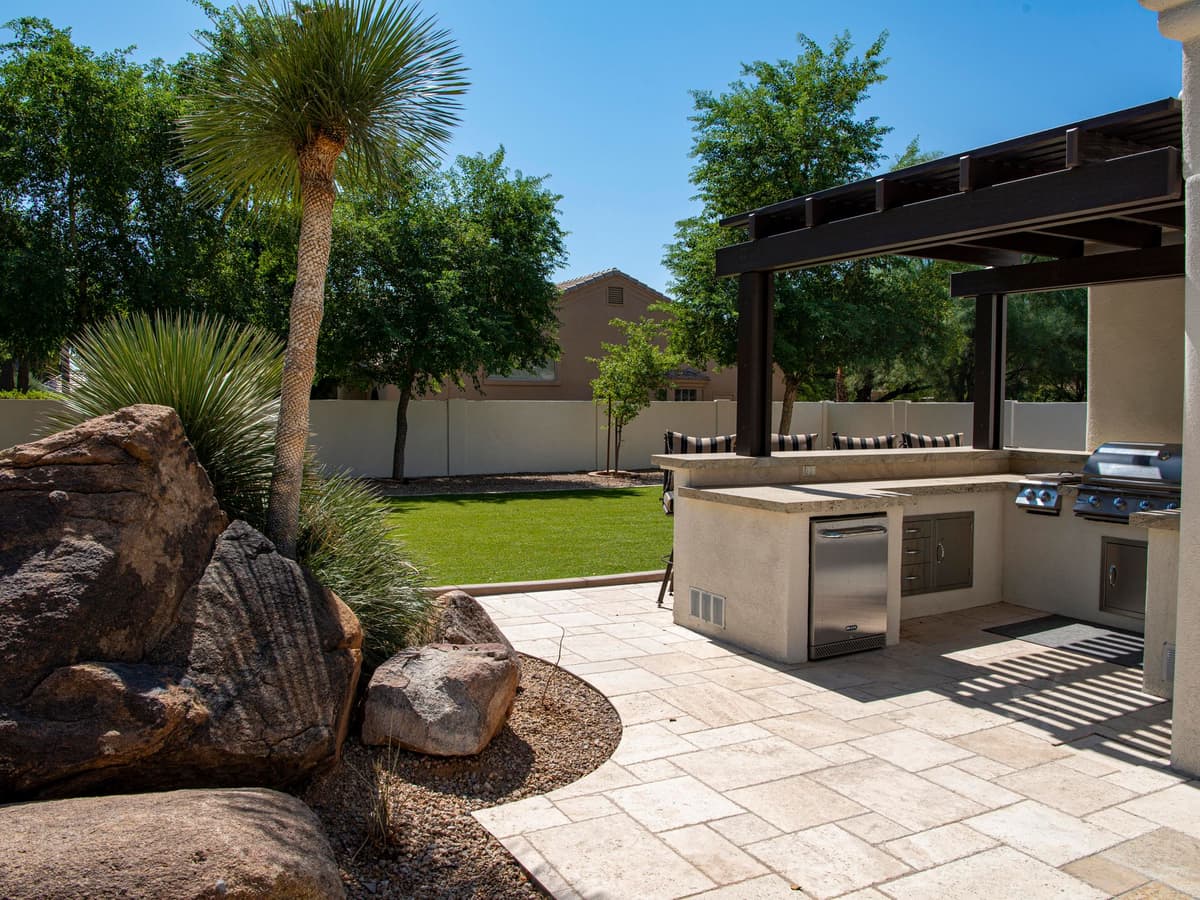
- New gas lines for ranges, dryers, outdoor kitchens, fire features and pool heaters
- Upsizing gas lines for tankless water heaters
- Leak detection, pressure testing and repair
- Shutoff valves and flex connector replacement
We pull permits where required and pressure-test every new line.
Smell gas? Leave the house now. Don't flip switches or use your phone inside. From outside, call 911 or your gas utility's emergency number. Once it's safe, call us for the repair.
Outdoor plumbing & backflow
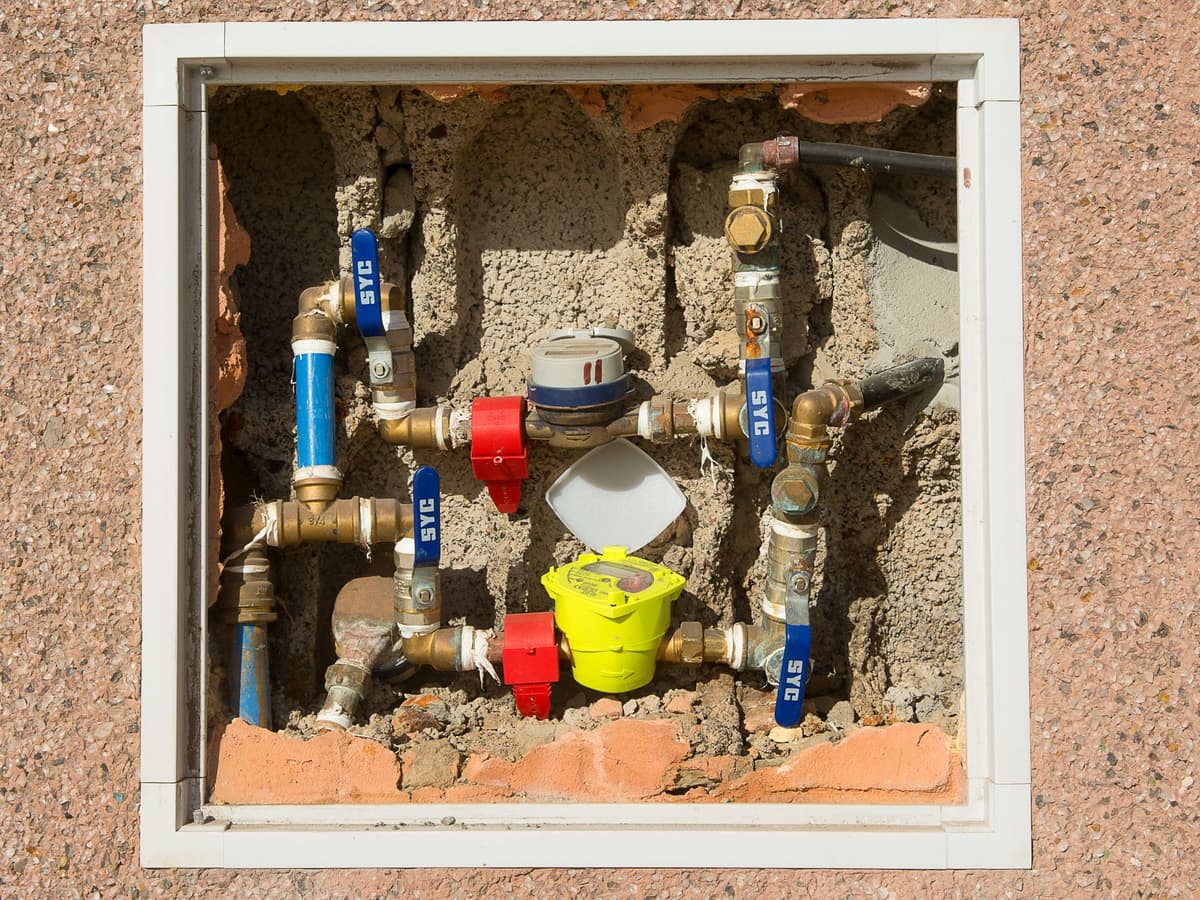
- Hose bibs and yard hydrants: repair and replacement. Sun-baked fittings crack and drip.
- Backflow preventers: installation, repair and testing for irrigation systems. Many cities and HOAs in the Valley require periodic testing; we'll help you meet the requirement.
- Irrigation supply lines and valves: the plumbing side of your drip and sprinkler system.
- Pool and spa fill lines and auto-fill valves.
- Winter nights: A few times each winter, the Valley drops below freezing overnight. Exposed backflow preventers and hose bibs can crack. Wrap them, and call us if one splits.
Desert Guard maintenance plan
A once-a-year check, scheduled in spring before the heat sets in.
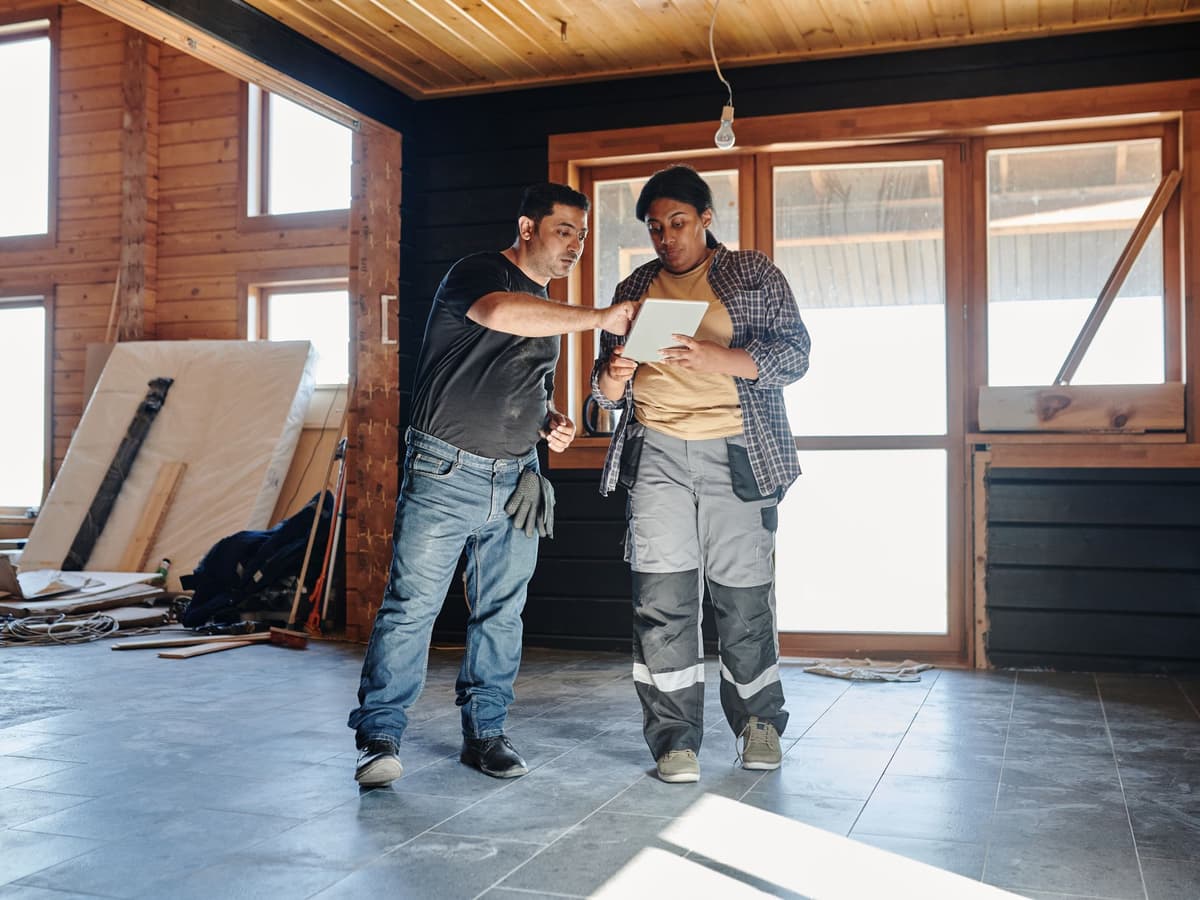
What's included on the visit:
- Water heater flush, anode rod check, T&P valve test, drain pan and drain line check
- Tankless descaling flush (if you have tankless)
- Water pressure test and PRV check
- Softener and RO quick check
- Exercise every shutoff valve, including the main
- Look for early signs of slab leaks at the meter
- Check toilets, faucets, hose bibs and visible supply lines
Member benefits:
- Priority scheduling during heat waves and monsoon storms
- A discount on repairs
- A written checklist with photos after each visit
Ask us what the plan costs when you call. You can cancel any time.
Service questions
How long does a water heater replacement take?
Most like-for-like tank swaps in a garage take a few hours, and we carry common sizes on the truck, so same-day replacement is normal. Attic installs and tank-to-tankless conversions take longer because of venting, gas and drain line changes. Your plumber will give you a realistic time along with the written quote.
Do I need a permit for this?
Some jobs, like water heater replacement, gas line work and repiping, often need a city permit in the Valley. When a permit is required, we pull it and schedule the inspection, and the cost is listed in your quote. Small repairs like faucets, toilets and drain clearing usually don't need one.
Can you fix a slab leak without breaking my floor?
Often, yes. Rerouting abandons the leaking line under the slab and runs a new PEX line through the attic or walls instead. It avoids jackhammering inside the house, but it does mean a few small drywall openings. We'll show you both approaches and which fits your house.
Do you work on tankless water heaters?
Yes. We install, repair and descale tankless units from the common brands. In the Valley, tankless heaters need a regular descaling flush because of hard water. If yours is throwing error codes or running lukewarm, scale on the heat exchanger is the first thing we check.